|
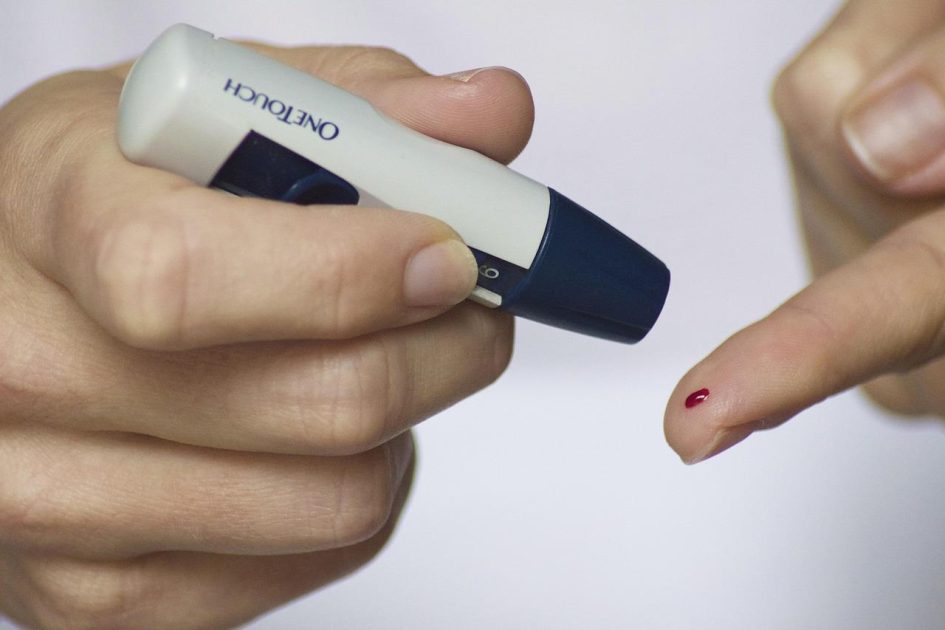
Most of us associate blood sugar with what we’ve just eaten. But while glucose levels fluctuate throughout the day, it’s the longer-term pattern that often matters most. An HbA1c blood test gives healthcare professionals a picture of your average blood sugar levels over the past two to three months. Rapid testing options, such as the HbA1c Test from GetTested, use a small finger-prick blood sample and are designed for professional use in healthcare settings. What is HbA1c and how does it work?When glucose enters your bloodstream, some of it attaches to haemoglobin, a protein found in red blood cells. This is known as glycated haemoglobin, or HbA1c. Because red blood cells circulate for several months, measuring HbA1c provides a longer-term indication of blood sugar levels rather than a snapshot of a particular moment. Another advantage is that you don’t normally need to fast beforehand, meaning there’s no need to skip breakfast before your appointment. Why keeping track of blood sugar mattersIt’s perfectly normal for blood sugar to rise after a meal. Problems can arise, however, when glucose levels remain too high over an extended period. Regular HbA1c checks help healthcare professionals identify people at increased risk of type 2 diabetes and assess how well existing diabetes is being managed. This is particularly useful because type 2 diabetes can develop gradually, sometimes without obvious symptoms. Making sense of your HbA1c resultsIn the UK, HbA1c results are usually measured in mmol/mol. The following ranges are commonly used when assessing adults for type 2 diabetes:
An elevated result should be discussed with a healthcare professional. Further laboratory testing may be needed to confirm a diagnosis, while people already living with diabetes may have different individual targets. Signs that your blood sugar may be too highFeeling unusually thirsty, needing to urinate more frequently, experiencing persistent tiredness or losing weight without trying can all be signs of diabetes. If you notice any of these symptoms, seek medical advice promptly rather than waiting for your next routine health check. Healthy blood sugar habits start at homeLooking after your blood sugar doesn’t have to involve a complete overhaul of your lifestyle. Small, sustainable changes are often easier to maintain. Swapping refined carbohydrates for wholegrain alternatives, adding more vegetables to your meals and going for a walk after dinner are simple ways to build healthier habits. Regular exercise, sufficient sleep and a balanced diet all play a part in supporting your overall metabolic health. If you have diabetes, any changes to your routine should complement the advice given by your healthcare team. Looking at the bigger pictureAlthough HbA1c is a useful health marker, it doesn’t tell you everything about your blood sugar. Certain conditions affecting red blood cells can influence the accuracy of your results, and short-term fluctuations may go unnoticed. The real benefit of HbA1c testing is seeing how your blood sugar changes over time. Combined with professional advice and healthy everyday habits, it can help you take better care of your long-term health. |