|
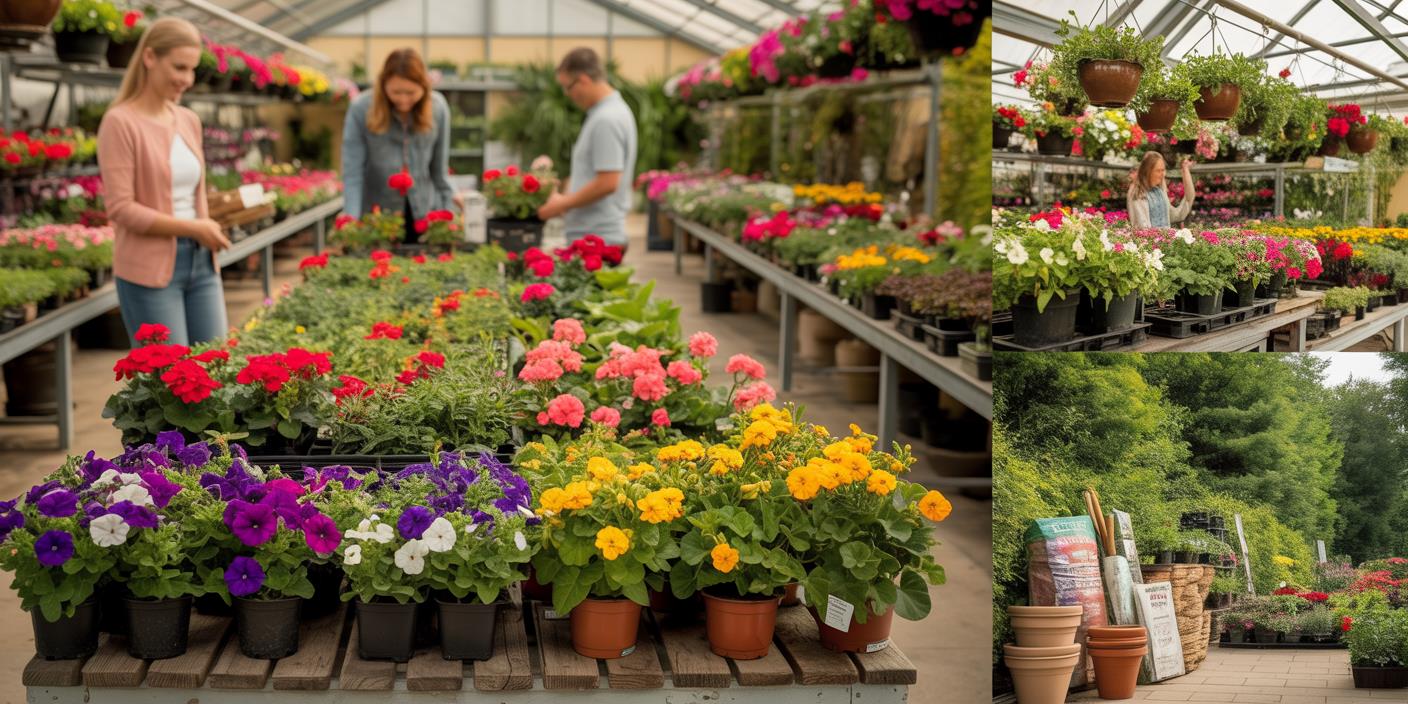
Retail marketing plays a crucial role in how customers interact with products inside a garden center. While plant quality remains essential, the way products are presented often determines whether customers stop, explore, and ultimately make a purchase. Effective displays do more than showcase plants; they tell a story, inspire ideas, and provide useful information that helps shoppers make confident decisions. Garden centers have a unique opportunity to combine visual appeal with education, creating an environment where customers enjoy browsing while learning about new plants and gardening solutions. As consumer expectations continue to evolve, retailers must think carefully about how merchandising, signage, and product information contribute to the overall shopping experience. Retail marketing strategies that focus on customer engagement can transform ordinary displays into powerful sales tools that encourage longer visits and increased spending. Making Plant Displays More Informative and AttractiveOne of the biggest challenges in plant retailing is helping customers understand what they are buying. Many plants look similar at certain times of the year, especially when they are not flowering. This is where retail marketing can make a significant difference. Informative displays that include clear descriptions, care instructions, and high-quality images help customers visualize how plants will perform in their gardens. Well-designed signage reduces confusion and answers common questions before customers need assistance from staff. In addition, attractive presentation creates a more professional appearance that strengthens trust in the retailer. Tools such as Garden plants bench cards provide retailers with an effective way to communicate valuable plant information while maintaining a consistent visual style throughout the store. The combination of education and presentation helps create a shopping experience that feels both enjoyable and informative.
Successful retail marketing also focuses on inspiring customers rather than simply presenting products. Garden centers can create seasonal displays that demonstrate planting combinations, showcase pollinator-friendly gardens, or highlight low-maintenance landscaping solutions. These displays help customers imagine how plants can be used in real-life settings, making purchasing decisions easier. Inspiration often leads to additional purchases because customers buy complete solutions rather than individual plants. Educational content can further strengthen this approach by offering planting tips, maintenance advice, and design suggestions. Retailers that consistently provide value through their displays build stronger relationships with customers and position themselves as trusted gardening experts. For businesses looking to enhance their content and visual communication strategies, www.openplantdata.com offers resources that support professional plant presentation across multiple retail channels. As competition increases across the horticulture industry, engaging displays will remain a key element of successful retail marketing. Customers have access to more shopping options than ever before, making the in-store experience a critical factor in differentiating independent garden centers from larger competitors. Retailers that invest in attractive merchandising, accurate plant information, and customer-focused communication can create memorable shopping experiences that encourage repeat visits. Effective retail marketing is not just about selling products; it is about helping customers achieve gardening success. When displays educate, inspire, and simplify decision-making, they contribute directly to customer satisfaction and business growth. By viewing every display as an opportunity to inform and engage, garden centers can strengthen their market position while delivering greater value to their customers. |
| https://www.barkukonline.co.uk/bark-mulch |